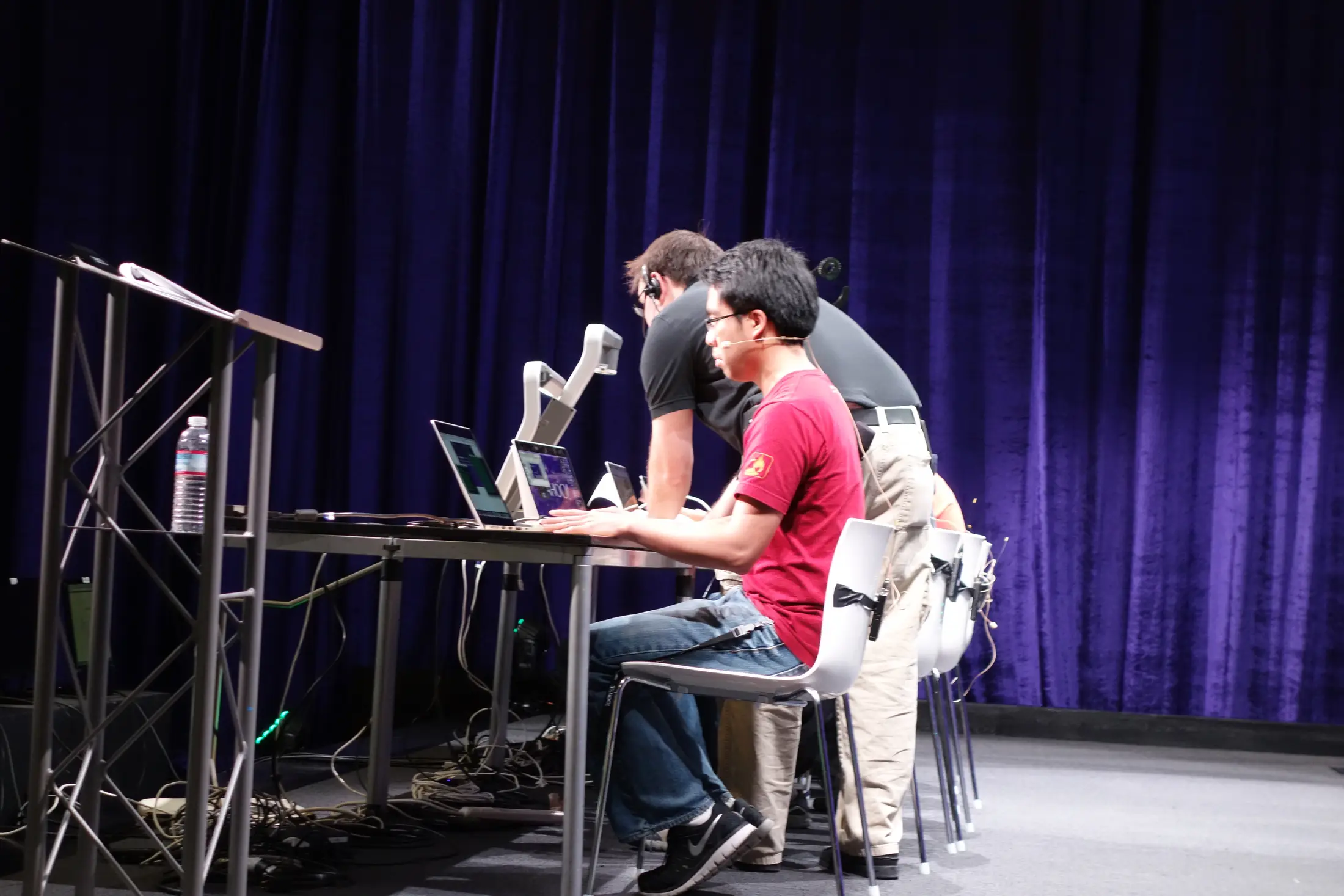
Run by a hackathon champion
Build like champions.
A hackathon, run end to end for your organization. 72 hours, the newest AI tools, and someone who has won more of these than anyone. Your people leave with a working prototype and the belief they can build.
Every organization now says it needs to adopt AI. Far fewer have watched their own people build something real with it. A hackathon closes that gap in a single weekend: a room, a deadline, and the newest tools, run by someone who has done it a hundred times.
In this issue
- The person who kept winning them
- A 72-hour programme, run end to end
- The wall of wins
- Event photos
- Why a prototype beats another meeting
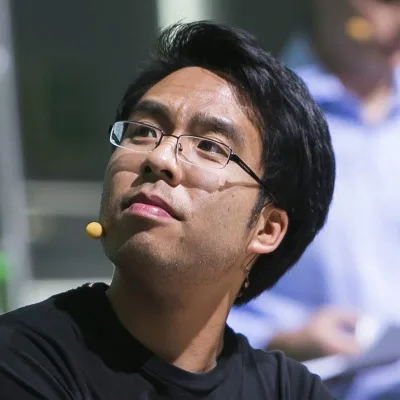
The byline
You are hiring the person who kept winning them.
Chris Chan is the all-time hackathon champion at Yahoo, with 13 wins, and kept winning at Splunk and, most recently, the 2025 Gloo AI Hackathon. He has organized, judged, and mentored events drawing more than a thousand developers.
- 18
- hackathon wins, Yahoo to Gloo
- 1,000+
- developers at his events
- 80+
- hacks built
- 11
- patents filed
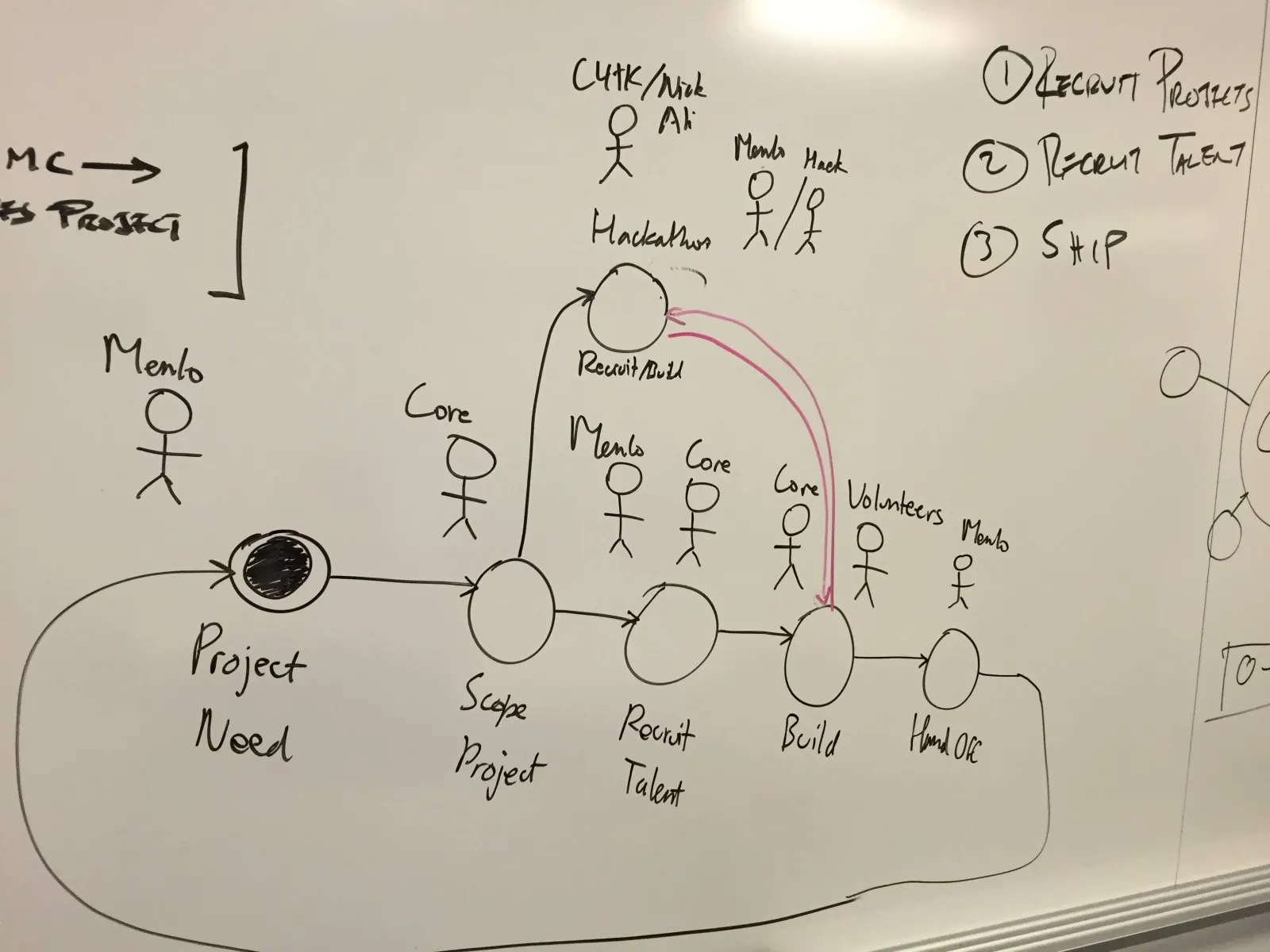
Fig. 2 · From need, to build, to hand-off. The whole arc, on one wall.
The programme
72 hours- Day 10 to 24h
Kickoff
Keynote
A talk to open the event and show the room what AI makes possible.
Skills workshops
Hands-on sessions on the newest tools, so people start sharp.
Guided practice
Real reps before the clock starts, not a blank screen.
Brainstorm and teams
Surface ideas, pair up strengths, form the teams that build.
- Day 224 to 48h
Build
The main event
Teams build, our engineers on the floor for live mentorship.
Pitch prep
We coach teams to demo and sell an idea in three minutes.
- Day 348 to 72h
Demo and judging
Pitch to executives
Teams present the working prototype they built.
Judging
Winners picked, plus a ranked shortlist worth funding.
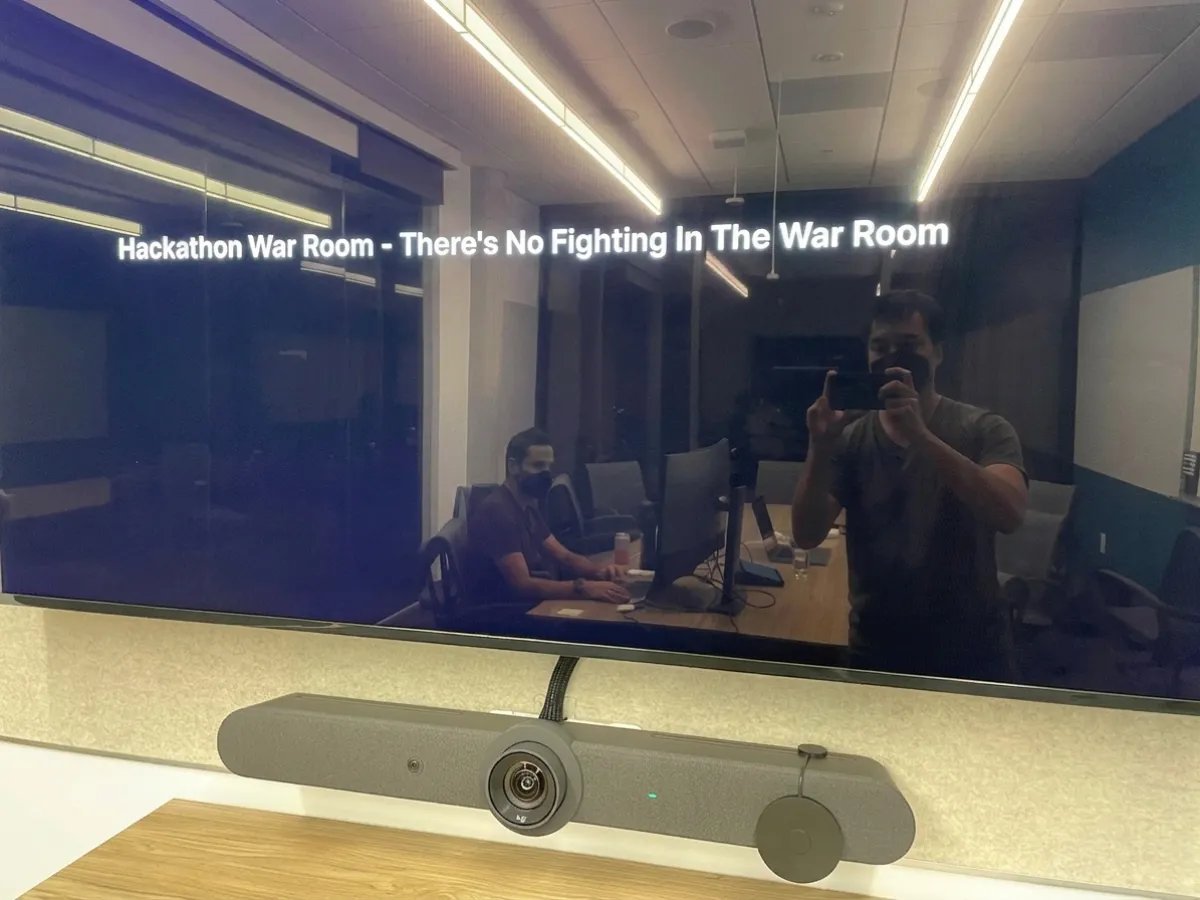
Event photos
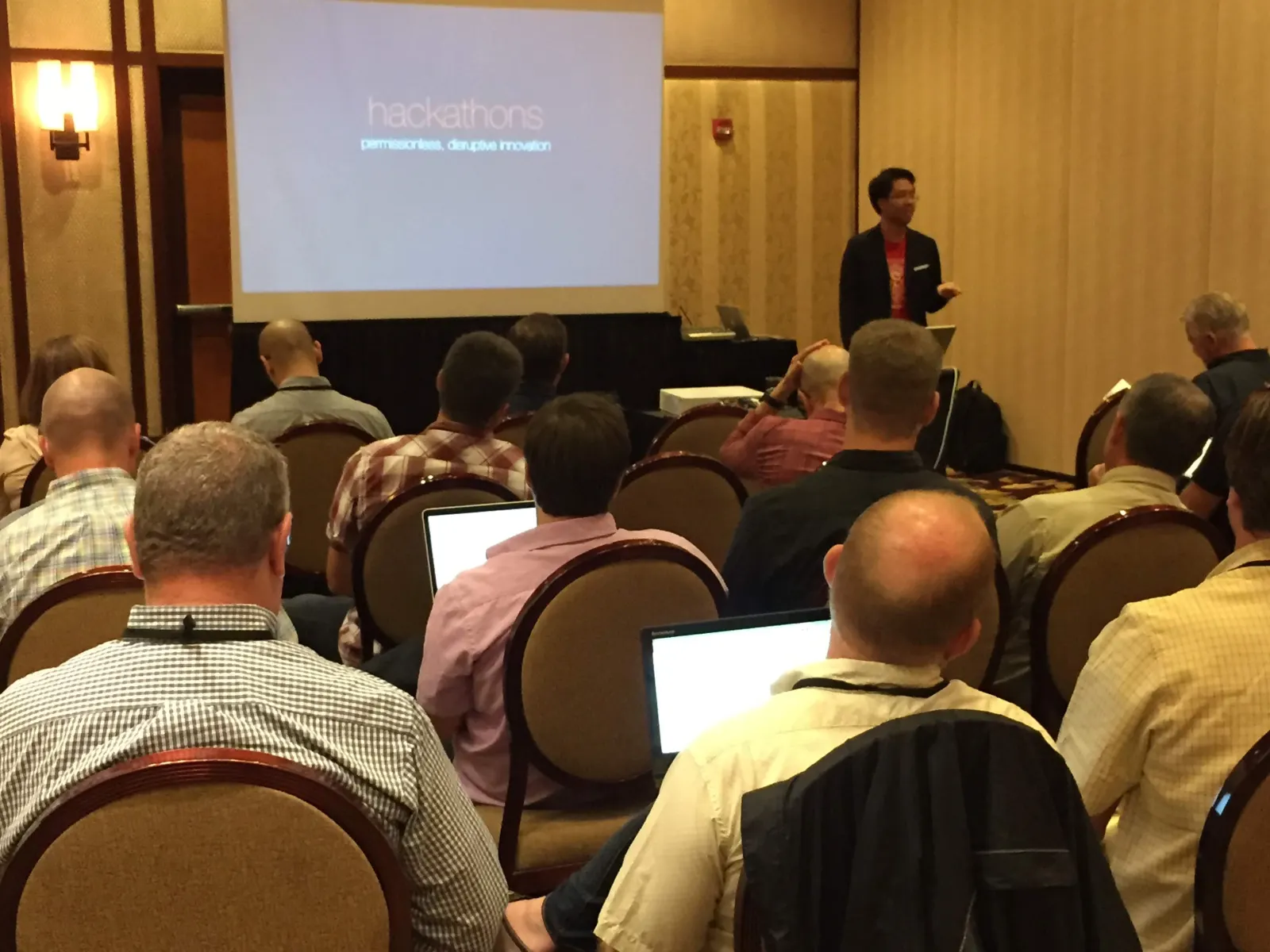
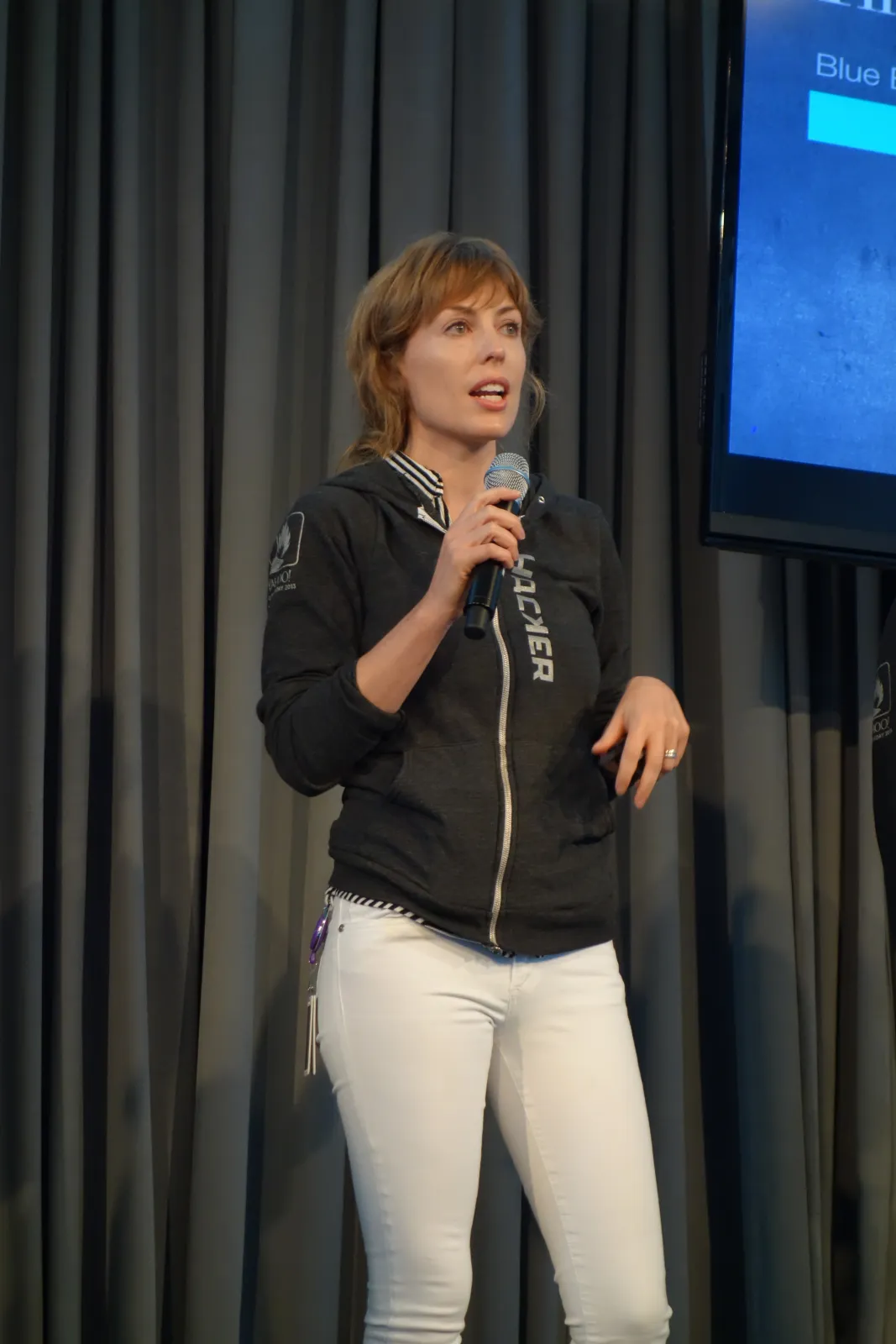
When insiders and outsiders build together
The magicYour people are the insiders. They know the business, the customers, and where the levers actually are. What they are missing is time, the newest tools, and someone who has done this a hundred times.
That is us, the outsiders. Put the two together for a few days, in a room where the usual rules are suspended, and you get the thing you cannot schedule. That overlap is the magic.
Not just for software companies
Beyond techInternal hackathons started in tech. They have moved well past it, and AI is why. The tools are finally fast and cheap enough that a nurse, a plant manager, or an analyst can build something real in a day.
- 114,094
people across 167 countries joined NASA's Space Apps Challenge in 2025, the largest hackathon in the world.
- 470
people from 11 countries built at a Siemens digital-manufacturing hackathon that surfaced 10 patent-worthy ideas.
- 21,000+
employees take part in JPMorgan's Innovation Week and global hackathon across its technology centers.
- ~$1B
was what Amazon paid for PillPack, the pharmacy whose founders met through MIT's Hacking Medicine.
The wall of wins
The receiptsNot a hobby, a track record. Every category, in-house and in the open, more than a decade, and counting.
- GlooDeveloper Track2025
- SplunkShip It2020
- SplunkMost Innovative2020
- SplunkInternal Tools2019
- SplunkShip It2019
- YahooBest Overall HackQ4 2015
- YahooSearch CategoryQ4 2015
- YahooMobile CategoryQ4 2015
- YahooBest Overall HackQ3 2014
- YahooTech For GoodQ3 2014
- YahooConsumer CategoryQ3 2014
- YahooBest Intern HackQ3 2014
- YahooGreater GoodQ2 2014
- YahooMobile CategoryQ4 2013
- YahooHacker's ChoiceQ3 2012
- YahooHacker's ChoiceQ2 2012
- YahooHacker's ChoiceQ1 2012
- YahooDesign CategoryQ1 2012

Yahoo 13 · all-time champion Splunk 4 Gloo 1 · most recent
Worried your team will just build random things?
Constrained innovationIt is the first thing leadership asks. Give people 72 hours and they will build something fun and useless. Fair. Unbounded innovation wanders, so we do not run it unbounded. Before the event, we set the guardrails with your leadership team, then get out of the way inside them.
Curated themes
We name the areas where you actually want new thinking, so 72 hours of effort points at real problems, not pet projects.
A scoring rubric
Judging rewards what matters to the business, agreed on before anyone writes a line of code.
Room for the white space
Inside those lines, teams have real freedom to explore. That is where the surprising wins come from.
Real constraints plus real freedom. That balance has a name: constrained innovation.
Why a prototype
A working prototype settles the debate.
A proposal asks everyone to imagine it works. A prototype resolves it in days, not quarters. Once the room can see it run, the question changes from “could we?” to “when.”
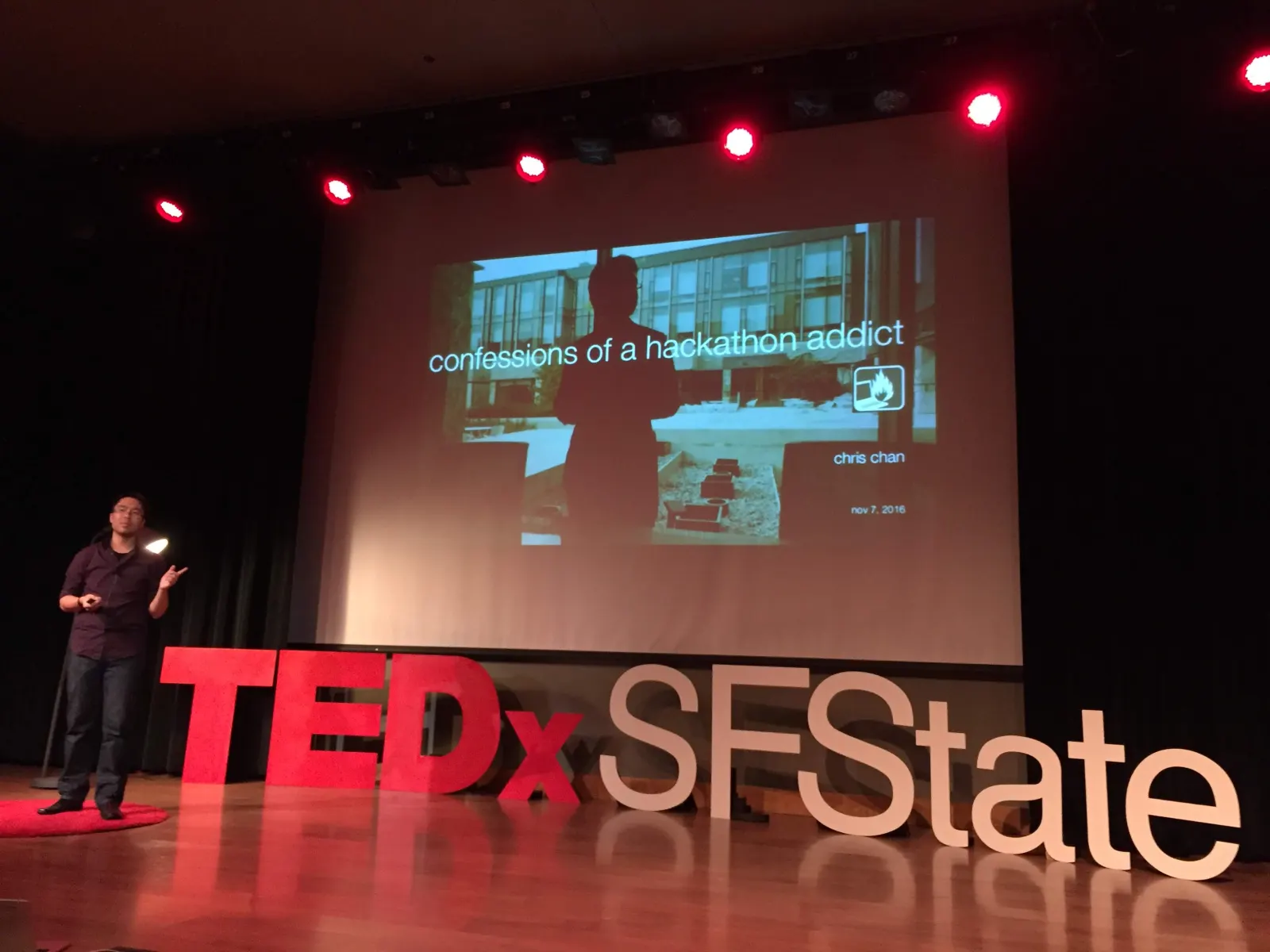
The case for building, from the TEDx stage
In his wordsEvery hackathon needs a soundtrack
The vibesMomentum keeps a tempo. We cut a hackathon playlist to match, and the room runs on it from the first commit to the final demo. Press play for the mood. Book a build day and yours comes tuned to your team.
A few slots each year
Hold a date.
A premium, hands-on engagement led by our founder, so we run a limited number each year. Tell us about your organization and the dates you are weighing.